
When it comes to transforming your living or working space, hiring an experienced interior designer can make all the difference. For instance, choosing a registered interior designer who belongs to BIID (British Institute of Interior Design) or SBID (Society of British & International Interior Design) not only assures clients of their professionalism but also enhances the quality of the design process. Of course, experienced Interior Designers who’ve ‘cut their teeth’ on many projects have all the skills too. But with over 50 projects and 15yrs experience, I’m proud to be a fully accredited member of the BIID, it’s an accolade and represents a badge of excellence for Barkerdesign! Here’s some of the benefits…
1. **Credibility and Recognition**
Being a member of the BIID means that the designer adheres to a strict code of conduct and has met the professional qualifications set by the institute. This recognition is vital as it assures clients of their credibility and commitment to maintaining high standards in interior design. Registered designers undergo a rigorous vetting process, ensuring they possess not only creative flair but also the technical knowledge necessary to execute complex projects.
Clients can rest easy knowing that their interior designer with BIID membership is vetted, qualified, and adheres to industry standards. This can instill confidence in clients as they navigate through their refurbishment or renovation projects.

2. **Expertise in Design Trends and Techniques**
An experienced interior designer from is well-versed in current trends as well as timeless design principles. They continuously update their knowledge, ensuring they are in tune with the latest styles, materials, and technologies.
This expertise translates into spaces that not only meet current standards but also anticipate future needs. Whether a client seeks a modern aesthetic or a more traditional approach, an experienced designer can provide appropriate recommendations that complement the existing architecture while enhancing functionality and appeal.
3. **Attention to Detail**
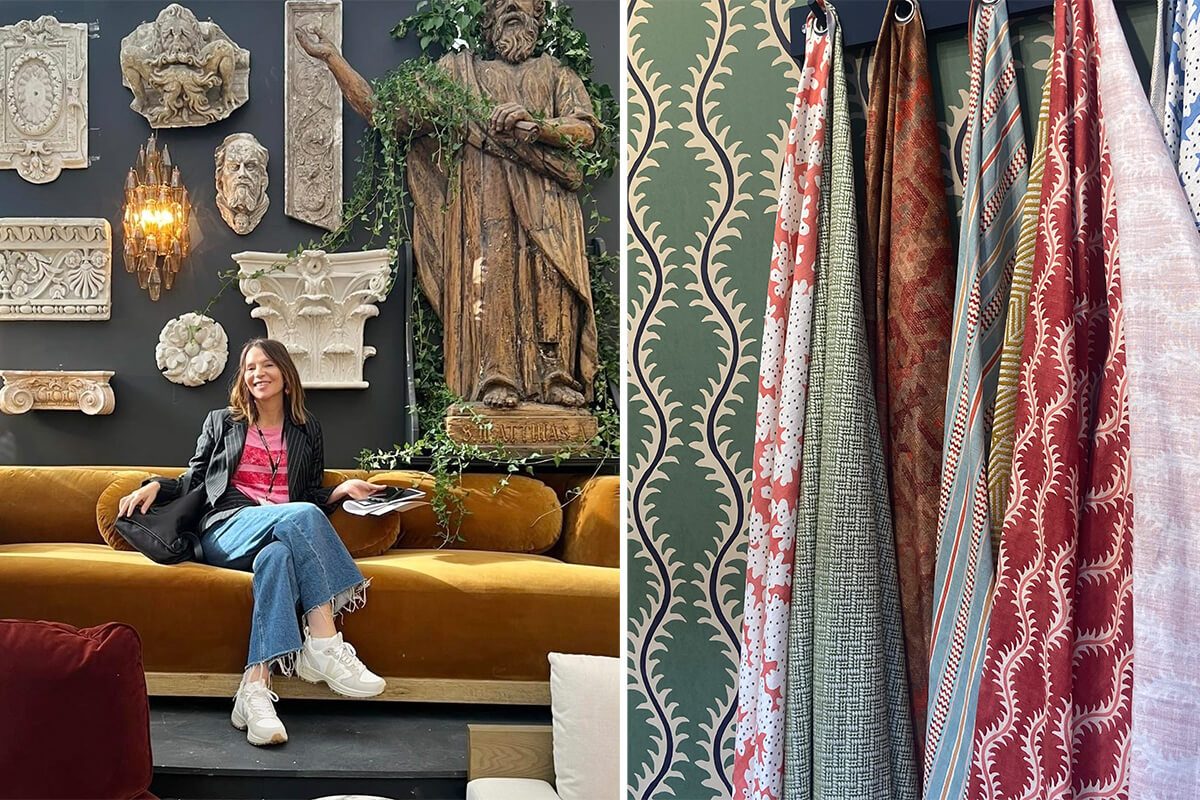
Interior design is not simply about aesthetics; it is also about functionality and how each element within a space interacts with others. A seasoned designer pays meticulous attention to detail, ensuring that every aspect of a project is carefully considered—from colour palettes to furniture selection, lighting choices to the spatial arrangement.
This attention to detail extends to technical aspects such as building codes, structural integrity, and accessibility. An experienced designer can identify potential issues before they become major problems, ensuring a smoother project execution.
4. **Tailored Design Solutions**
No two spaces are identical, and professionals in the field understand that each client has unique needs, preferences, and constraints. A registered interior designer with extensive experience takes the time to listen to their clients and tailor designs specifically to their lifestyle, tastes, and requirements.
This customised approach ensures that the final design reflects the client’s individuality while incorporating practical solutions for their specific environment. Rather than adhering to a ‘one-size-fits-all’ approach, client-led designers personalise their services to create spaces that genuinely resonate with their clients.

5. **Time Management and Efficiency**
Renovations and refurbishments can be time-consuming endeavors, often involving numerous moving parts from contractors to suppliers. A qualified Interior designer serves as a project manager, coordinating various aspects of the renovation process to ensure it stays on track and within budget.
With an expert overseeing the project, timelines can be managed efficiently, and potential delays can be mitigated. This can result in significant time savings for clients who would otherwise need to navigate the complexities of managing these projects on their own.
6. **Cost-Effectiveness**
While many individuals may see hiring an interior designer as an added expense, it can be more cost-effective in the long run. An experienced designer can optimize budgets, helping clients avoid costly mistakes down the line.
For instance, a designer can recommend high-quality materials that may have a higher upfront cost but provide better longevity and lower maintenance in the future. Additionally, their established relationships with contractors and suppliers may also ensure better pricing and preferential treatment, ultimately providing more value.
7. **Access to Resources and Networks**
An accomplished interior designer typically has an extensive network of contacts including architects, engineers, and craftsmen. This access to a wide array of resources can be invaluable in a refurbishment or renovation project.
Whether it’s sourcing unique materials, securing permits, or finding skilled tradespeople, a registered designer can navigate these challenges with ease. This network allows them to troubleshoot problems quickly and deliver efficient solutions—elements that are crucial in meeting project deadlines.
8. **Sustainability Practices**
As the world becomes increasingly aware of environmental challenges, many clients seek to incorporate sustainable and eco-friendly practices into their renovations and refurbishments. A fully accredited designer often prioritises sustainability, keeping up with the latest green building technologies and sustainable materials.
Designers can provide guidance on how to create energy-efficient spaces, recommend environmentally responsible material choices, and advise on waste management and recycling during renovations. This commitment to sustainability not only benefits the environment but can also result in long-term savings on energy costs for the client.

9. **Enhanced Property Value**
Investing in quality interior design can significantly increase property value. A beautifully designed space that is functional, aesthetically pleasing, and well thought-out can attract potential buyers or tenants if you choose to sell or rent.
An experienced interior designer understands market trends and can create an environment that appeals to the target demographic. Their expert insights can help clients maximize the potential of their properties, ensuring that investments are made wisely and effectively.
10. **Stress Reduction**
Undertaking a refurbishment or renovation can often be a stressful experience for many individuals. With countless decisions to make and various contractors to manage, the process can quickly become overwhelming.
By working with an experienced interior designer, clients can alleviate much of this stress. Designers manage the complexities of the project, communicating with stakeholders, scheduling, and troubleshooting as needed. This allows clients to focus on enjoying the transformation of their space rather than becoming mired in project management.
11. **Creative Problem Solving**
In any refurbishment or renovation project, challenges are likely to arise. A seasoned designer will have honed their creative problem-solving skills over years of experience. They can think on their feet and offer innovative solutions to obstacles, ensuring that a project stays on course.
Whether it involves resolving spatial issues, addressing unforeseen construction challenges, or adapting design plans to accommodate budget constraints, their ability to devise creative solutions can be a significant asset throughout the process.
12. **Spatial Planning**
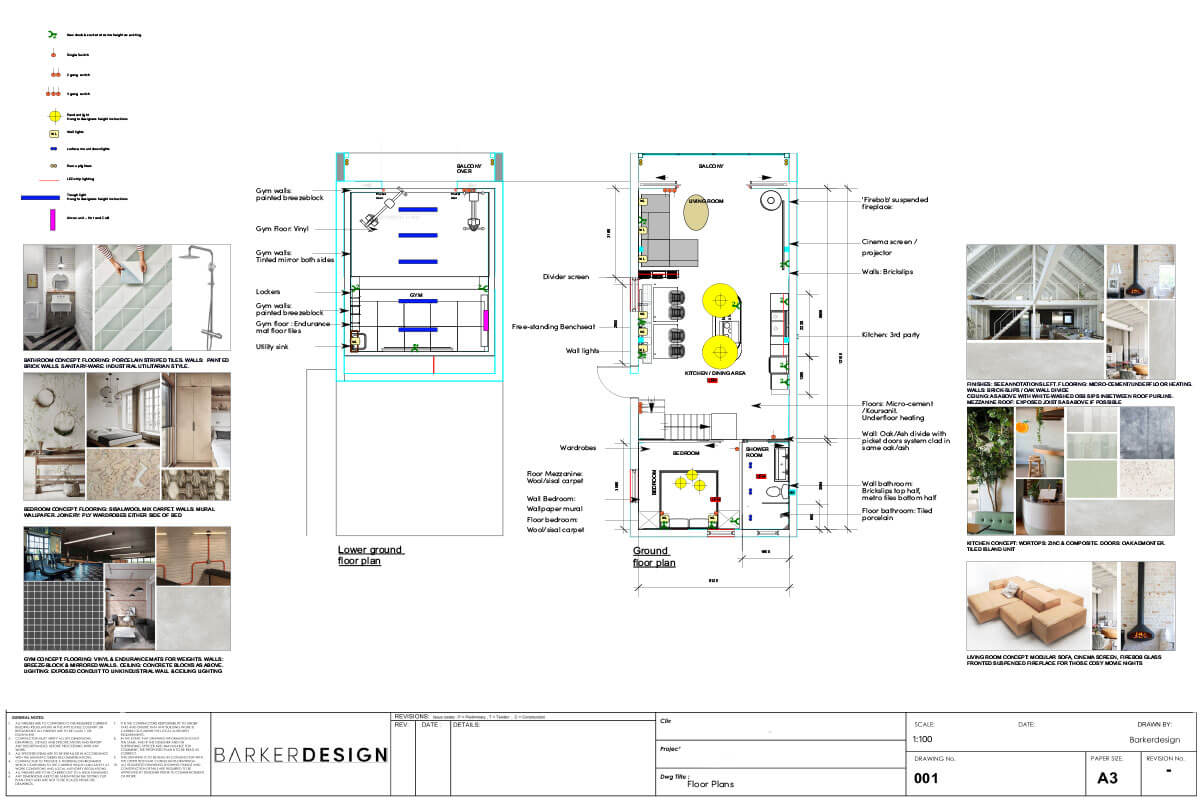
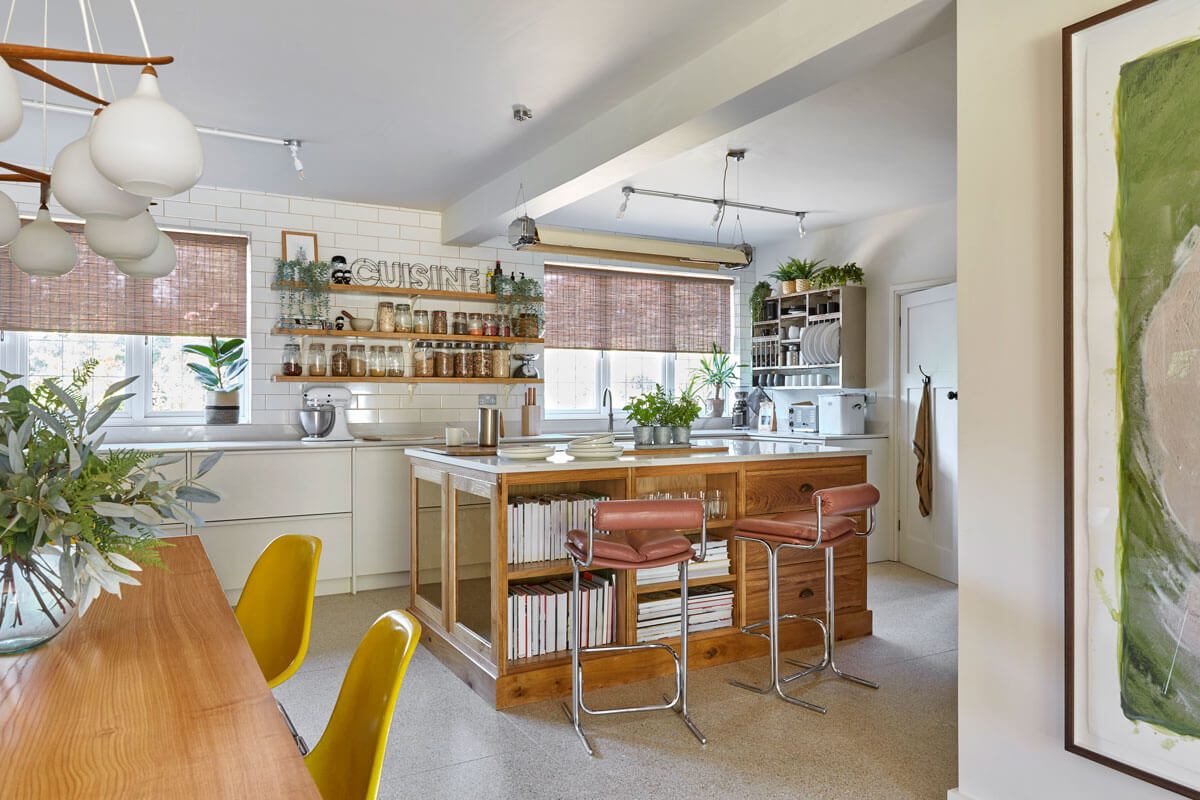
An experienced interior designer takes a holistic approach to interior design, considering not only the aesthetics of a space but also its functionality and how it serves the occupants. They analyse how people will interact with the space and create designs that enhance comfort and usability.
This comprehensive perspective ensures that the final design is not only visually appealing but also enhances the quality of life for those who inhabit the space. This aligns perfectly with both residential needs and commercial environments where functionality and guest experience are paramount.
13. **Project Documentation and Compliance**
Renovation and refurbishment projects often require compliance with various regulations, including building codes and safety standards. A registered interior designer is knowledgeable about these requirements and can ensure that all aspects of the project comply with the relevant regulations.
They can manage the necessary paperwork, permitting processes, and documentation, providing peace of mind for clients who may not be familiar with these legal intricacies. This expertise minimises risks and liabilities associated with non-compliance.
14. **Improved Collaboration**
An interior designer skilled in refurbishments and renovations serves as a central point of communication among all parties involved in a project. This collaborative approach enhances transparency and ensures that everyone is on the same page, which is vital for successful project execution.
Through ongoing communication, designers integrate client feedback with contractor input, adjusting plans as needed. This collaborative environment fosters a sense of teamwork and shared purpose, ultimately resulting in a more coherent and successful design.
15. **Confidence in Decision Making**
Finally, one of the most significant benefits of working with a registered interior designer is the confidence they instill in their clients. By providing expert guidance, designers empower clients to make informed decisions about their projects.
Their knowledge and experience allow them to present clients with options, discussing the pros and cons of different choices. This guidance helps clients feel more secure in their decisions, ensuring that they are enthusiastic about the changes made to their space.
Whether you’re looking to enhance your home’s aesthetic or improve a commercial space, working with fully accredited, experienced interior designer is an investment that pays dividends in both the quality of the design and the overall satisfaction of the final outcome.